How to Improve a Weedy Lawn Without Irrigation
Got a weedy lawn and no irrigation? Learn realistic, budget-friendly ways churches and homeowners can improve turf with smart timing and simple upgrades.
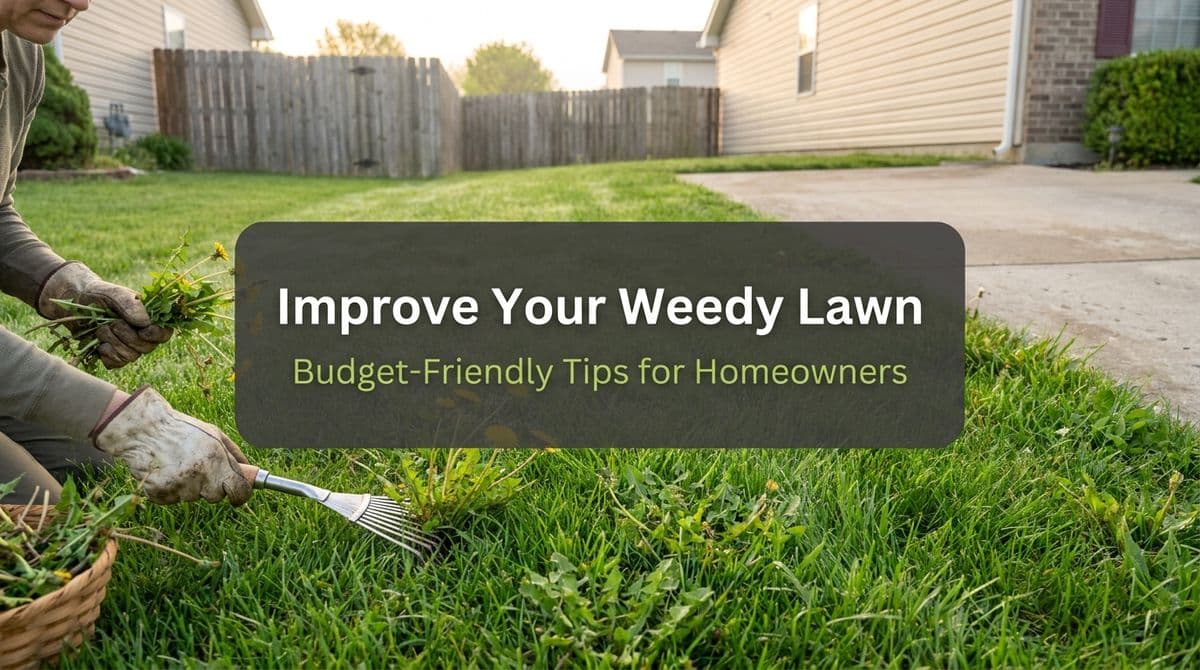
A call from a church with a weedy lawn and no sprinklers
We recently got a call from a church property manager — let’s call him Mark — who sounded a lot like many of the homeowners and churches we talk to every year.
Mark helps take care of an older church campus with a mostly volunteer crew. One person faithfully mows the grass with a push mower, a few volunteers pull weeds in the beds, and Mark goes by early in the mornings to spray the beds and keep things looking presentable.
His big frustration? The lawn itself was mostly weeds, there was no irrigation system, and the edges along the sidewalks and beds were shaggy and overgrown. He wanted to know:
- Is it even worth trying to improve the lawn if we can’t water all summer?
- When should we do any seeding or weed control?
- What’s realistic on a church budget or a tight homeowner budget?
We walked Mark through the same advice we give families and churches all over our area. If your lawn is weedy and you don’t have an irrigation system, you can make it look better — you just need realistic expectations, the right timing, and a budget-friendly plan.
Set realistic expectations when you don’t have sprinklers
The first thing we told Mark was simple: we hate to see people waste money. Without irrigation, your lawn will almost always struggle from about mid-June through the end of August, especially as our summers get hotter and drier.
That doesn’t mean you should give up. It just means:
- The lawn will look its best in spring and fall.
- It will likely go tan or thin in the hottest part of summer.
- Weed control and seeding need to be timed carefully so you’re not paying for grass that can’t survive the heat.
For a church or homeowner on a budget, our goal is usually a “respectable, healthy-enough” lawn rather than a golf course. That means focusing on the right improvements at the right times instead of chasing perfection all year.
Why we usually tell people to wait for fall
Mark originally asked us about aerating, seeding, and spraying weeds right away. The catch was that we were heading into the warmer months, and there was no way to water new seed regularly.
In situations like his, we often recommend holding off on major lawn work until September into early October. Here’s why fall is usually best for a weedy lawn without irrigation:
- Cooler temperatures are easier on new grass.
- More consistent rainfall helps if you can’t run sprinklers.
- Weed pressure drops, so grass has less competition.
- The soil is still warm from summer, which helps seed germinate.
If we sprayed out all the weeds in late spring or early summer, Mark would be left staring at a patchy, brown lawn during every Sunday service — and most of those bare spots wouldn’t fill in with grass until fall anyway. Spreading the work out and timing it right makes every dollar go farther.
A simple, budget-friendly plan for churches and homeowners
When we looked at what Mark wanted — better curb appeal, less embarrassment over weeds, and something his volunteers could realistically maintain — we walked him through a basic, staged plan that also works well for homeowners.
1. Tidy the edges and beds right away
Even if the grass is weedy, clean edges and beds instantly make a property look cared for. For Mark, we suggested:
- Defining sidewalk and curb edges with a string trimmer or edging tool.
- Re-cutting bed edges so the mulch areas have crisp lines.
- Keeping mulch beds sprayed or hand-weeded, just like he was already doing.
This is one of the best “bang for your buck” steps for both churches and homeowners. If you can only afford a little help, start here.
2. Decide how serious you are about the lawn itself
Next, we asked Mark a question we ask all the time: “How passionate are you about having a nice lawn?” There’s a big difference between wanting it to look “better than embarrassing” and wanting a showcase lawn.
For most churches and many homeowners without irrigation, a middle-ground approach makes sense:
- Accept that summer will be rougher on the turf.
- Invest in a good fall renovation every few years.
- Use spot treatments for weeds instead of constant blanket spraying.
If you’re caring for a smaller area, you can also supplement with portable sprinklers during heat waves. Even watering the most visible sections in front of the building or along the street helps a lot.
3. Plan a fall “reset”: weed control, aeration, and overseeding
For Mark’s church lawn, here’s the kind of fall plan we’d typically suggest for a weedy, unirrigated yard:
- Targeted weed control: Spray broadleaf weeds while the weather is still warm enough for them to actively grow.
- Core aeration: Pull small plugs from the soil to relieve compaction and help water and air reach the roots.
- Overseeding: Spread a quality grass seed blend suited to your area, focusing on thin and bare spots.
- Starter fertilizer: Apply a fertilizer designed for new seed to give young grass a boost.
Even without an in-ground irrigation system, if you catch some normal fall rainfall — and maybe run portable sprinklers in the most important areas a few times — you can dramatically improve a weedy lawn over a couple of seasons.
Small watering tricks if you don’t have a system
We also walked Mark through some low-cost watering options that churches and homeowners can use:
- Use a timer: Simple hose timers are inexpensive and can run a sprinkler for you early in the morning.
- Prioritize key areas: Water only the most visible sections — along sidewalks, entrances, and road fronts.
- Water deeply, not daily: When you do water, aim for longer, less frequent soakings so roots grow deeper.
These little habits don’t replace a full irrigation system, but they help you protect your fall investment in seed and weed control.
What we tell every church and homeowner with a weedy lawn
When we finished talking with Mark, we reassured him of two things that apply to almost everyone in his shoes:
- You can absolutely improve a weedy lawn without irrigation.
- It just takes honest expectations, good timing, and a realistic plan.
If your church or home lawn sounds like Mark’s — lots of weeds, no sprinklers, and a limited budget — start with edges and beds, plan for a fall reset, and be okay with the lawn looking its best in spring and fall. And if you’d like help building a step-by-step plan for your property, we’re always happy to walk the site with you and share what makes the most sense for your goals and budget.